Building Understanding: The Role of Community and Visibility for Families Raising Children With Disabilities or Developmental Delays
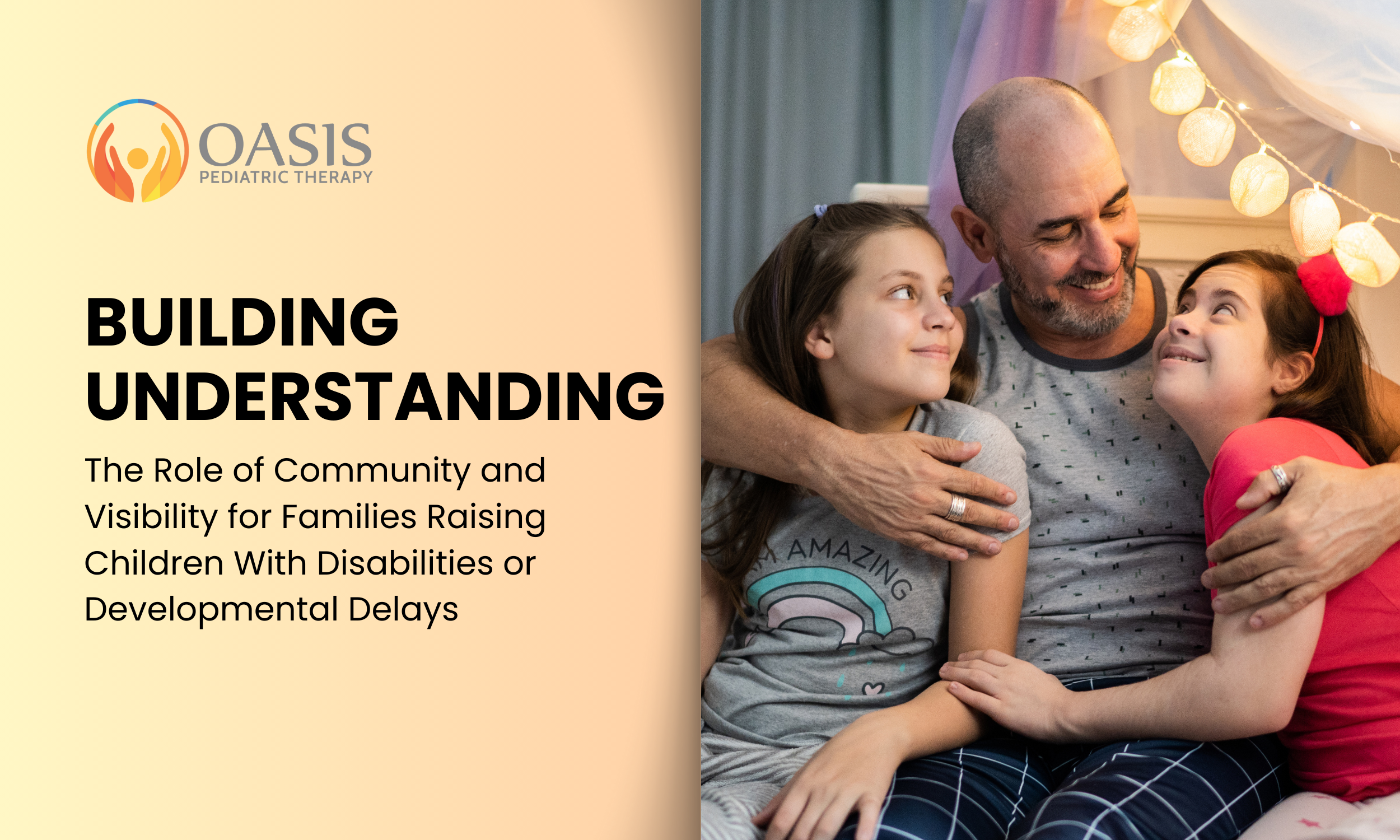
Representation helps families feel understood
Parenting a child with developmental delays or disabilities can feel like a continuous journey of advocacy, decision-making and adapting to meet their unique needs. Families often balance therapy schedules, medical appointments and school discussions while striving to create a supportive environment that celebrates their child’s strengths. Though challenging, this journey is also deeply meaningful, filled with pride, growth and moments of connection.
We spoke with several families we serve about their experiences as caregivers to children with complex needs. In this blog, you’ll hear reflections from OASIS families on how community involvement and the cultural shift toward inclusivity have shaped their experiences. They share the highs, the lows, and how hearing each other's stories creates a sense of belonging.
Representation Helps Families Feel Seen and Supported
Hearing the stories of other families with children who have disabilities or developmental delays is a powerful form of validation. Representation goes beyond what we see on screen or social media; it includes sharing real-life experiences within our own circles, whether it’s about a child’s pediatric physical therapy routines, mobility devices or sensory needs. These shared stories help normalize the diverse developmental paths children may follow, making caregivers feel less isolated.
“It’s not always easy, but parenting a medically complex child can be incredibly fulfilling,” says the Gresser family. “Witnessing our daughter achieve significant milestones that were once deemed impossible is a reality. It’s essential to maintain hope and perseverance because our children deserve to experience life to the fullest. Don’t let fear hold them back.”
This sentiment resonates deeply with many parents. “My children’s ability to set and accomplish their goals brings me joy,” shares Gabriela, another caregiver.
Caregivers also mention how hearing other families' stories fosters understanding in the broader community. Kacy, an OASIS caregiver, shares, “When you see kids with disabilities out and about, smile, wave, say ‘hello,’ and let your kids ask questions! We love when kids ask why our daughter uses a wheelchair or has a g-tube. Answering those questions fosters understanding and mutual confidence.”
When families feel seen and their children are included, the community becomes a source of support rather than stress.
Caregiver Perspectives: The Power of Support
Families we spoke to shared a wide variety of experiences, particularly around advocating in school settings, learning new therapeutic approaches and discovering what strategies work best for their children.
Some parents, like Catalina, find therapy with OASIS Pediatric Therapy to be transformative: “We continue working in therapy because I’ve seen a change in my daughter’s life thanks to OASIS. Without them, she wouldn’t be the same person.”
Others, like Noeli, focus on reducing stigma in their communities. “I wish more Hispanic families were open about having children with complex needs,” Noeli says. “Just because a label is attached to a child doesn’t mean they can’t learn or love.”
For some parents, their children’s growth and resilience are a source of deep inspiration. “I don’t see it as a tragedy. We learn from our kids,” Gabriela reflects.
These perspectives show how families learn and adapt through their unique journeys, finding strength in both everyday routines and shared experiences.
Inclusive Environments Make Daily Life Easier for Families
Families consistently express how important it is to feel welcomed in public spaces, whether it’s schools, parks or medical settings. Inclusive environments reduce stress for caregivers and boost confidence in children.
OASIS President and Co-Founder Lacy Helms shares, “We’re creating a space where every child feels seen, celebrated, and included.”
Many OASIS families also go out of their way to create inclusive spaces for others. Yulma, for example, works to make public events more accessible: “I help create events that consider the needs of individuals with disabilities—sensory-friendly times, smaller crowds, and accommodations that reduce anxiety. I believe everyone, regardless of their abilities, should have the same opportunities to participate.”
When caregivers and children encounter environments where they are accepted without hesitation, it strengthens their sense of belonging.
The Power of Shared Experiences in Building Community
Across Colorado, families raising children with disabilities are connecting through shared experiences, simple moments of recognition and casual conversations. These connections don’t always need a formal structure or a large platform. Sometimes, they begin with a smile or a shared story between parents navigating similar challenges.
Families often share that even though their experiences may differ, they feel empowered by others who understand the importance of advocating, adapting and celebrating their children’s progress. These shared experiences help families feel seen and supported as they navigate the complexities of raising a child with disabilities.
Caregivers emphasize the value of having space to exchange ideas, celebrate milestones and acknowledge difficult moments. These exchanges reduce isolation and help families feel more grounded.
While these stories are powerful reminders of how community support fosters resilience, there are also small ways we can contribute to making spaces more inclusive. Simple acts, like greeting families with disabilities, asking questions with kindness and advocating for accessible services, go a long way in creating supportive environments for everyone. Together, we can make a big difference in how families experience their journeys.
At OASIS Pediatric Therapy, these connections strengthen communities and ensure that every child has a place where they are understood, valued, and supported.